Furnace Repair in Cedar Park That Brings the Heat Back
- Gas furnaces and heat strips
- Free quotes
- Price quoted before work starts
- 78613 and 78641
- We cover your ZIP code
- Price quoted before work starts
Gas furnaces and heat strips
No ignition, cold air, no heat, noises and short cycling.
Safety comes first
What to do on a gas smell or a carbon monoxide alarm.
Free quotes
You hear the price before any work starts.
78613 and 78641
Cedar Park, with Round Rock and Georgetown nearby.
What furnace and heating repair covers
Furnace and heater faults
Smell gas or hear a carbon monoxide alarm?
Furnace and heater faults that need a technician
The furnace will not ignite
The heater blows cold air
No heat at all
Banging, squealing or rattling
The heater turns on and off every few minutes
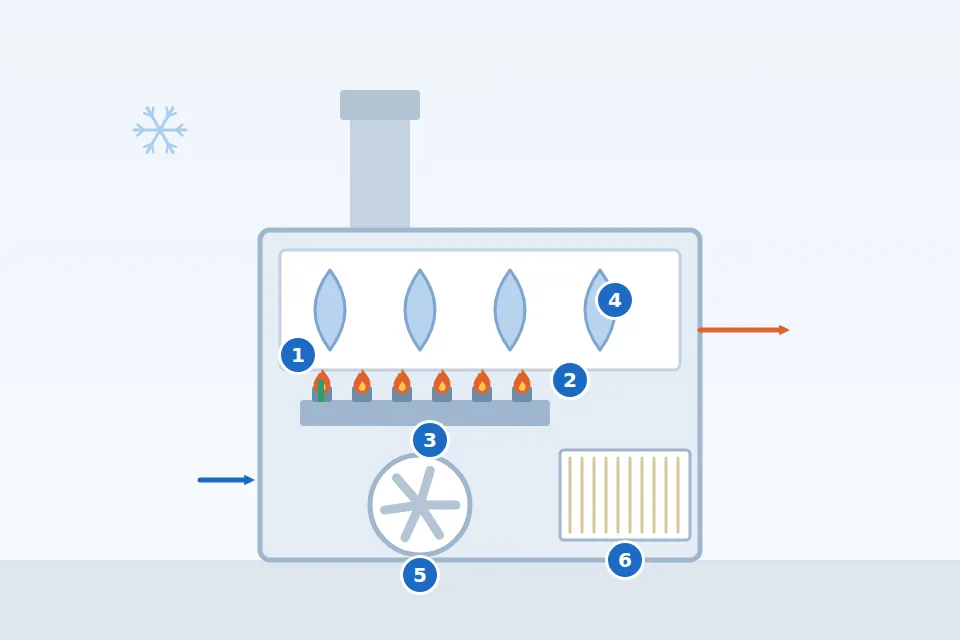
- Ignitor
- Flame sensor
- Burners
- Heat exchanger
- Blower
- Filter
Gas furnace or heat strips: what is in your house?
What February 2021 taught Cedar Park about heating
Cedar pollen and your furnace filter
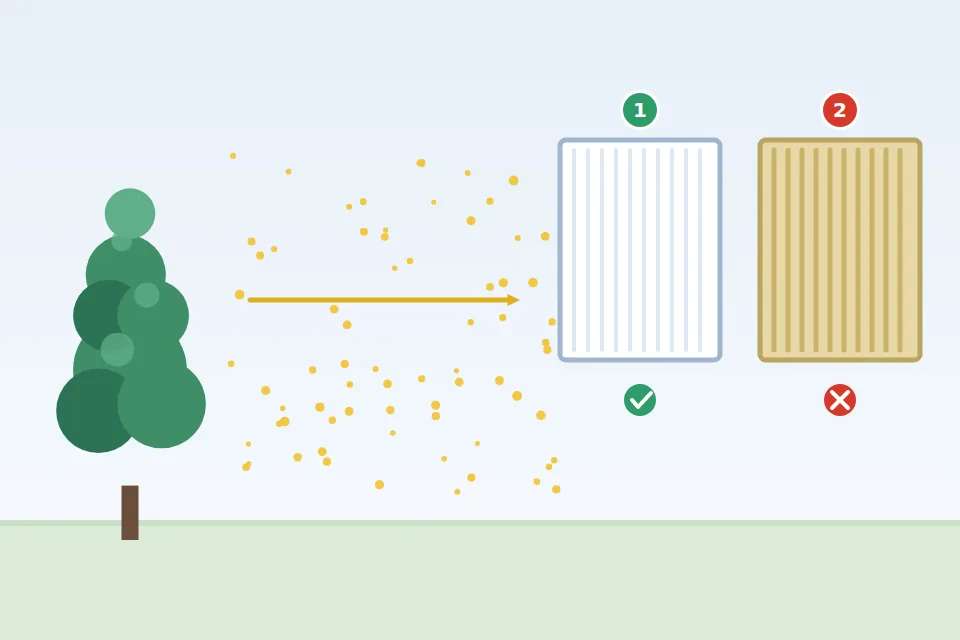
- A clean filter passes air freely
- A clogged filter makes the furnace overheat
Heater not working?
Furnace replacement and installation
Questions about furnace and heating repair in Cedar Park
Why is my furnace blowing cold air?
Start with the thermostat, which should say heat with the fan on auto. Then check the filter. A clogged filter can make the furnace overheat and stop the burners while the fan keeps running. If the filter is clean and the air stays cold, call for a technician.
How often should a furnace be serviced?
Once a year, in the autumn before the first cold snap.
Is it safe to run a furnace with a cracked heat exchanger?
No. A crack can let carbon monoxide into the house. Switch it off and call right away. Every house with a gas appliance should have working carbon monoxide alarms.
How long does a furnace last in Central Texas?
Often 15 to 20 years with yearly service. Our mild winters mean fewer running hours than in the north.
Do you repair heat pumps and heat strips too?
Yes. See the heat pump guide, or tell us what you have when you call.
Is there emergency heating repair at night?
Call the same number. Ask about after hours charges before you book. The emergency steps have more.
Why does my furnace smell the first time I turn it on?
A dusty smell for the first hour or so is normal, because dust settles on the heat exchanger over the summer. If the smell lasts, or it smells like gas or burning plastic, switch the furnace off. For a gas smell, leave the house and call your gas company or 911.
How do I know if my heat exchanger is cracked?
Warning signs are soot around the burners, a yellow flame in place of a blue one, a carbon monoxide alarm sounding, or a new chemical smell. Only a technician can confirm a crack. Switch the furnace off if you suspect one.
Why does my furnace keep turning on and off?
Short cycling usually comes from a clogged filter, a dirty flame sensor, a poorly placed thermostat or an oversized unit. Replace the filter first. If it keeps cycling, call for a technician.
What temperature should I set my thermostat to in winter?
68°F when you are home is the common recommendation, with a few degrees lower when you are asleep or away. In Cedar Park that is enough for most nights.
How much does a furnace replacement cost in Central Texas?
It depends on the size, the efficiency and the venting. A typical gas furnace swap runs from a few thousand dollars up, and a high efficiency unit with new venting costs more. Ask for a free written quote with both options.
Does my furnace have a pilot light?
Furnaces made in the last couple of decades almost always use electronic ignition and have no standing pilot. An older unit may have one. If a pilot keeps going out, a technician should check the thermocouple and the gas valve.