AC Repair in Cedar Park, TX That Gets Your Home Cool Again
- One call for repairs, installs and tune ups
- Free quotes and a price before work starts
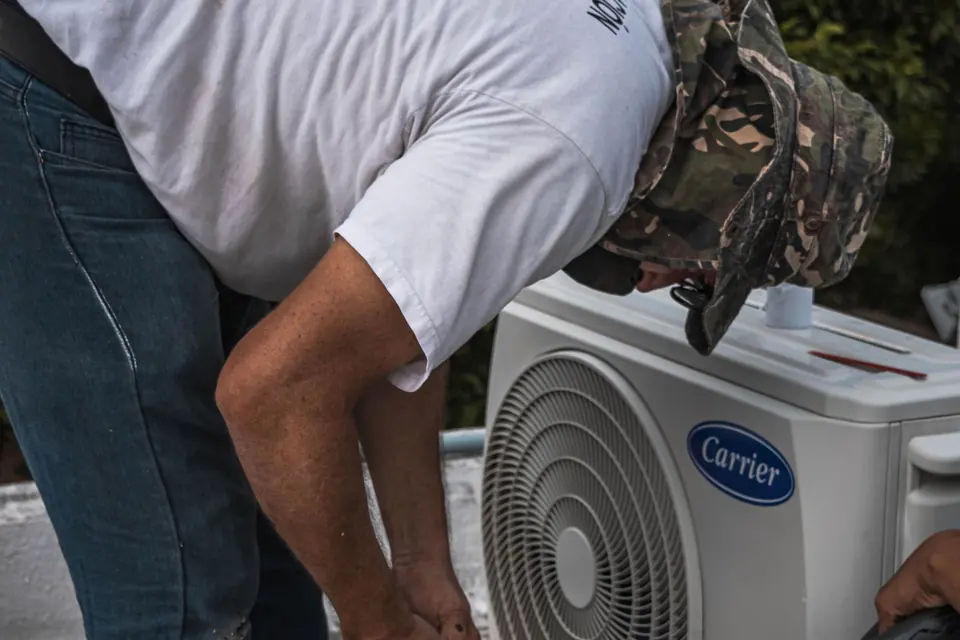
- Carrier, Lennox, Goodman and other major brands
- Serving 78613, 78641 and nearby towns
- We cover your ZIP code
- Price quoted before work starts
All major brands
Carrier, Lennox, Goodman and other major brands.
Free quotes
You hear the price before any work starts.
Cedar Park and nearby
78613, 78641, Round Rock, Georgetown and more.
One phone call
Describe the problem and book the first visit open.
Heating and cooling services in Cedar Park

Emergency AC repair
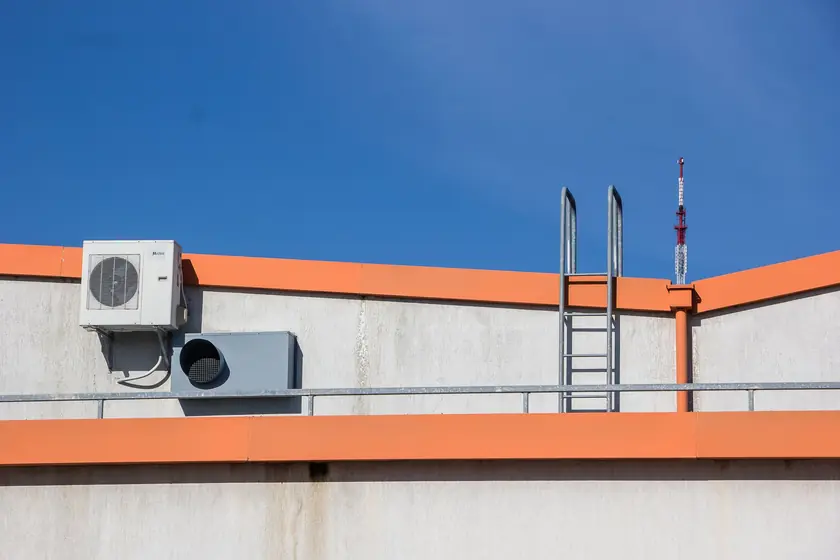
AC installation and replacement
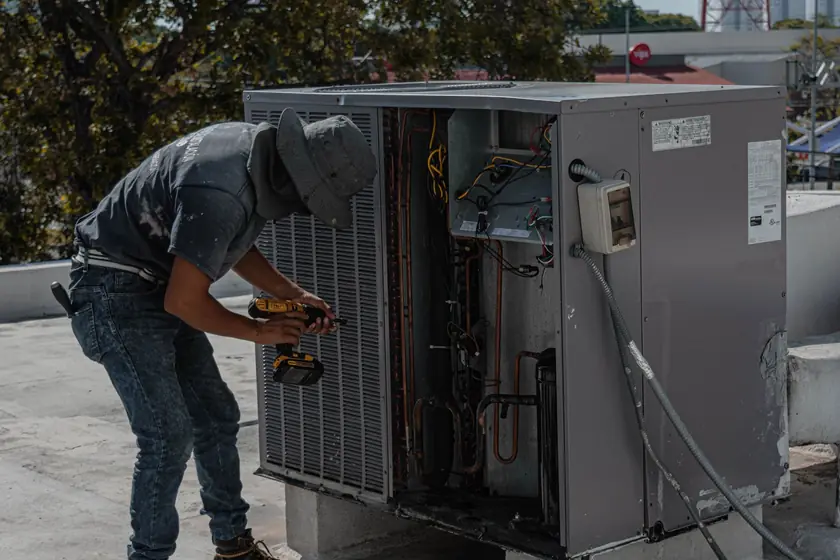
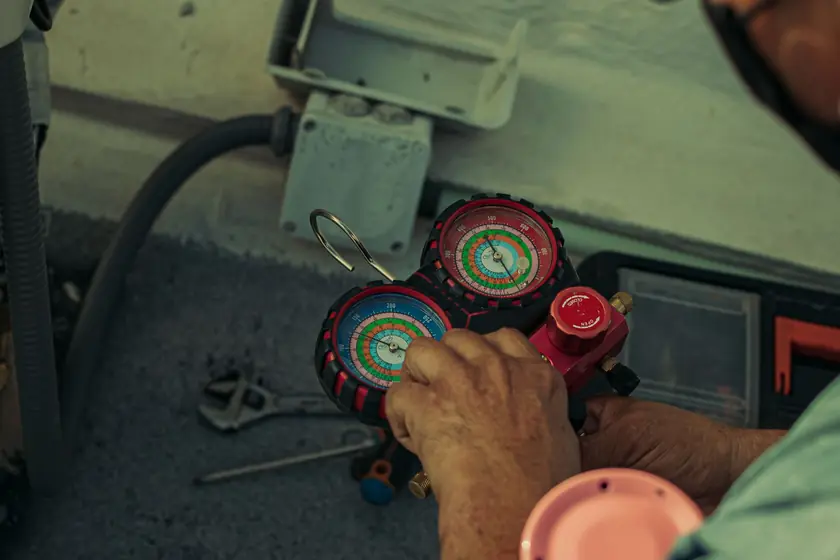
AC maintenance and tune ups
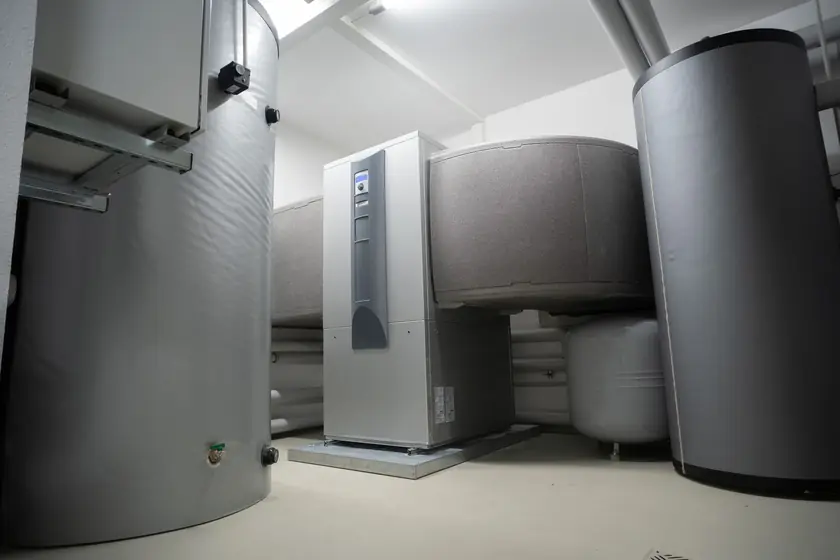
Heat pump repair and installation
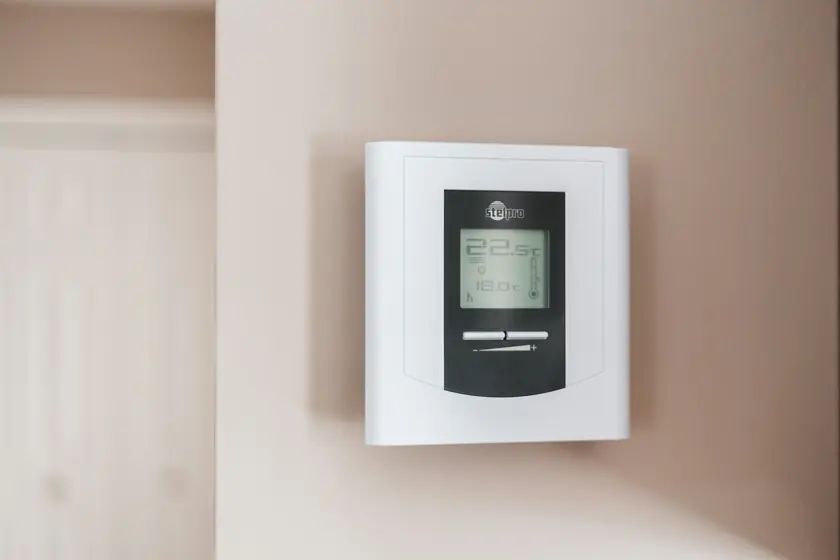
Furnace and heating repair
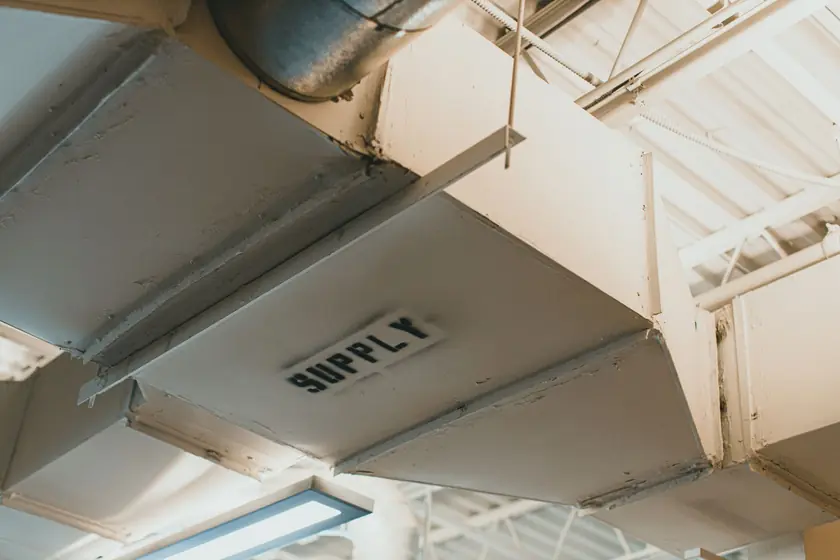
Air duct cleaning
The AC faults behind most Cedar Park repair calls
Failed capacitor
Frozen evaporator coil
Clogged condensate line
Refrigerant leak
Blower or fan motor failure
Thermostat and control faults
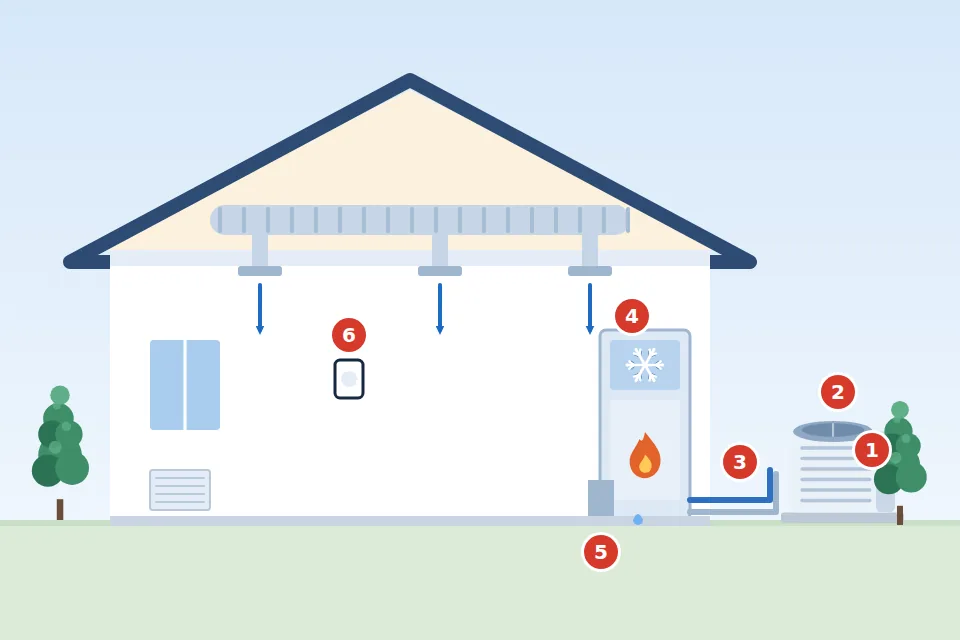
- Capacitor in the outdoor unit
- Outdoor fan motor
- Refrigerant lines
- Indoor coil, where ice forms
- Condensate drain, where clogs form
- Thermostat
AC not cooling right now?
Why Cedar Park homeowners call this number
One call, one answer
Second opinions welcome
Price before work
Local coverage
Repair before replace
Straight answers
What a Cedar Park summer does to an air conditioner
- ✓Long run times. A system that cycles a few times an hour in May can run for hours straight in August. Parts wear out on running hours, which is why a ten year old unit in Cedar Park often looks older than its date.
- ✓Cedar pollen. Mountain cedar sheds from December into February, and filters clog quickly. A clogged filter freezes cooling coils in summer and makes a furnace overheat in winter. Check yours every month.
- ✓Spring hail. Hail that dents the fins on an outdoor coil cuts airflow and pushes the compressor harder. If a storm crossed your street, walk out and look at the unit.
- ✓Hot attics. Ducts that run through an attic can sit above 120°F in summer. A split or loose joint pulls that heat straight into the supply air, and sealing and cleaning the ducts deals with the cause.
- ✓Limestone and clay. The ground under Cedar Park is limestone with clay on top that swells in the rain and shrinks in a drought. A condenser pad can tilt over a few years, and that strains the refrigerant lines.
- ✓Storm surges. Lightning and power flickers damage capacitors and control boards. A surge protector on the outdoor unit is worth asking about.
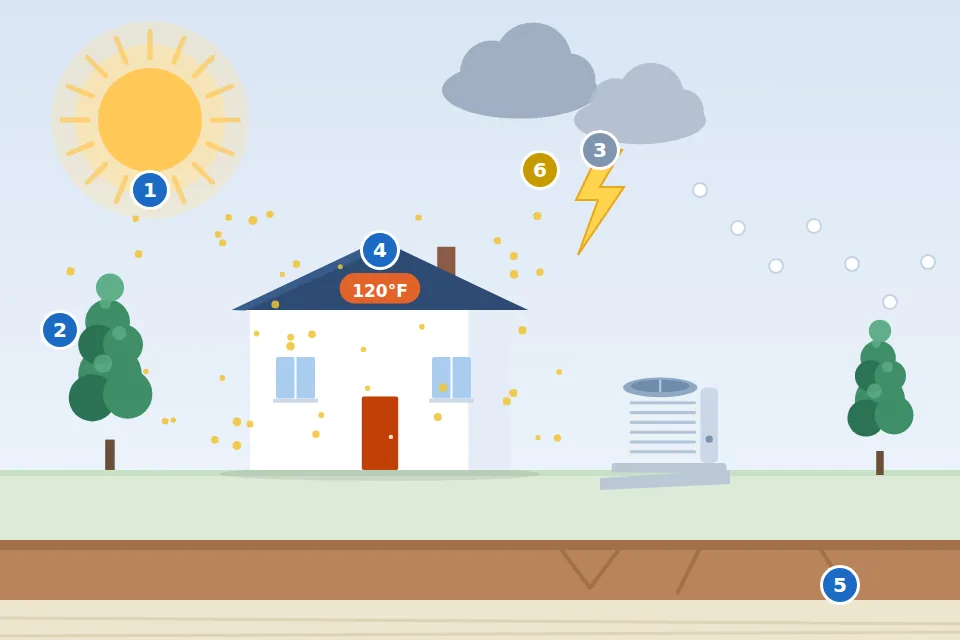
- Long run times
- Cedar pollen
- Spring hail
- Hot attic
- Clay over limestone under the pad
- Storm surges
What happens when you call
Call the number
Describe the problem
Ask for the price
The technician visits
Repair or replace? A rule of thumb for Cedar Park homes
|
Your situation
|
What usually makes sense
|
|---|---|
|
The system is under 10 years old
|
Repair it in almost every case.
|
|
The system is 10 to 15 years old
|
Multiply its age by the repair quote. If the answer is over $5,000, ask for a replacement quote too.
|
|
It still runs on R22 refrigerant
|
Systems installed before about 2010 may. R22 stopped being made in 2020, so a big leak often ends the system.
|
|
You have had two or three repair calls this summer
|
The system is telling you something. Get a replacement quote and compare.
|
|
Your electric bill keeps climbing
|
Start with a tune up. If the bill stays high, ask for a quote.
|
Where we work
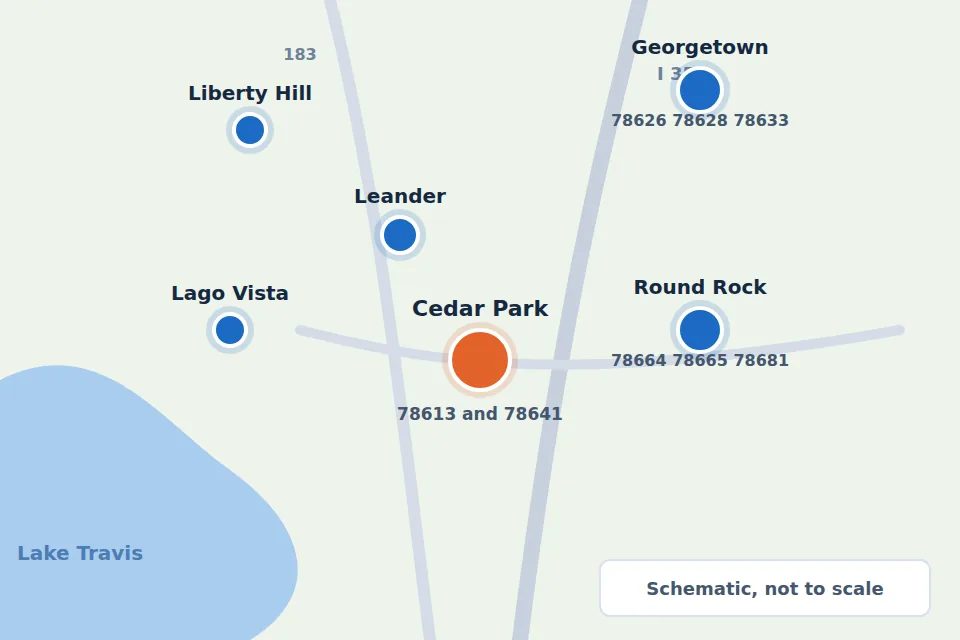
Questions about AC repair in Cedar Park
How fast can I get an AC repair visit in Cedar Park?
Ask for the first available visit when you call. In summer the mornings fill up fast, so an early call gives you the best choice of time. If the heat is a danger to someone at home, say so on the call and read the emergency guide.
How much does AC repair cost in Cedar Park?
It depends on the fault. A clogged drain line or a failed capacitor is a smaller job than a compressor or a refrigerant leak. We give you a price before work starts, and the quote is free. Ask whether the visit fee comes off the repair if you go ahead.
Why is my AC blowing hot air?
Check three things first. The thermostat should say cool, not heat or fan only. The filter should not be clogged. The breaker should not be tripped. If the outdoor fan is not turning, switch the system off at the thermostat and call, because running it can overheat the compressor. A failed capacitor or low refrigerant are the usual causes.
Why is my AC leaking water?
A blocked condensate drain line is the most common reason. Turn the system off at the thermostat, then call. The technician will clear the line and test the float switch.
Who does the repair?
We send a qualified technician, we set the price and we stand behind the work.
What should I ask before I book?
Ask for the price in writing and whether a visit fee comes off the repair. We are glad to answer both.
Which areas do you cover?
Cedar Park (78613 and 78641), Leander, Round Rock, Georgetown, Lago Vista and Liberty Hill. If you are near the edge of that list, call and ask.
Do you repair my brand of air conditioner?
The major brands, including Carrier, Lennox and Goodman, are covered. Give the brand and age of the unit when you call. The label on the outdoor unit shows both.
What temperature should I set my AC to in a Texas summer?
78°F is the usual recommendation when someone is home, with a few degrees more when the house is empty. A lower setting does not cool the house faster. It only makes the system run longer.
How long should an air conditioner run on a 100 degree day?
It can run most of the afternoon without a fault. A system is usually built to hold the house roughly 15 to 20 degrees below the outdoor temperature, so 80 to 85 inside on the hottest days is normal. If it runs nonstop and the house keeps climbing past that, call.
How do I know if my AC capacitor is bad?
Typical signs are a humming outdoor unit with a fan that will not spin, an AC that clicks but never starts, or a capacitor with a swollen top. Do not touch it. A capacitor holds a charge even with the power off, so leave testing to a trained technician.
Does it cost anything to call?
No. The call is free and so is the quote. You pay only for work you approve.