Leander AC Repair for Growing Neighbourhoods and Texas Summers
- 78641, 78645 and 78646
- Free quotes
- Price quoted before work starts
- Repair, heating and installation
- We cover your area
- Price quoted before work starts
Every Leander neighbourhood
Old Town to the newest subdivisions.
Repair and replacement
Fix what is broken or swap what is worn out.
Free quotes
You approve the price before work begins.
One call
Say what the unit is doing and we find the earliest slot.
Services for Leander homes
AC repair
Emergency AC repair
AC installation and replacement
AC maintenance and tune ups
Furnace and heating repair
Heat pump repair and installation
Air duct cleaning
Why Leander air conditioners fail
Old Town and the original streets
New builds with builder grade units
Young trees and full sun
Two storey homes and upstairs rooms
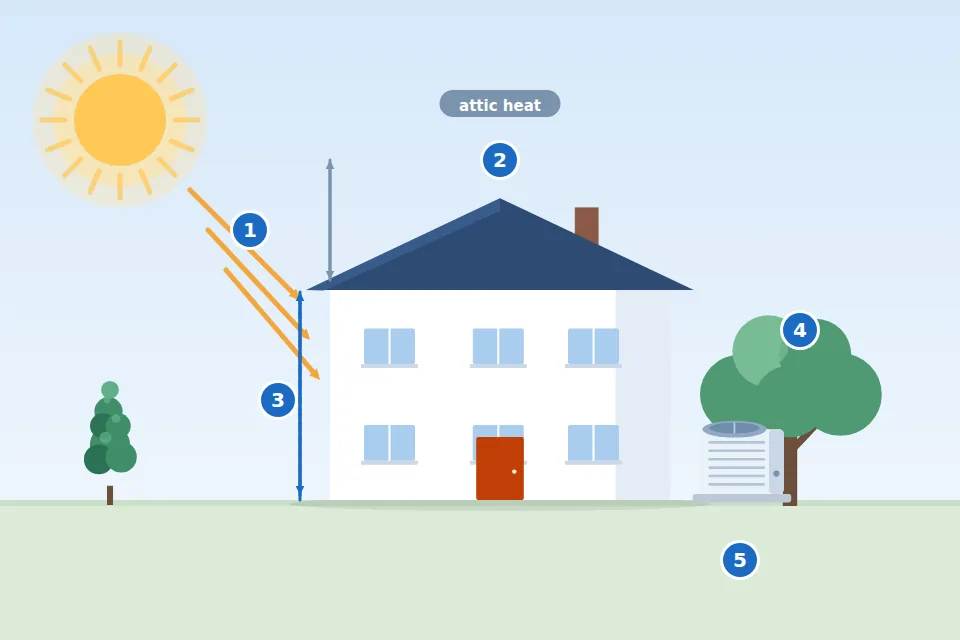
- A unit matched to the house
- Sealed ducts and a tight attic
- Airflow checked at the vents
Leander AC stopped working?
Heating, cooling and replacement across Leander
Leander and the Cedar Park line
Summer storms, surges and your AC
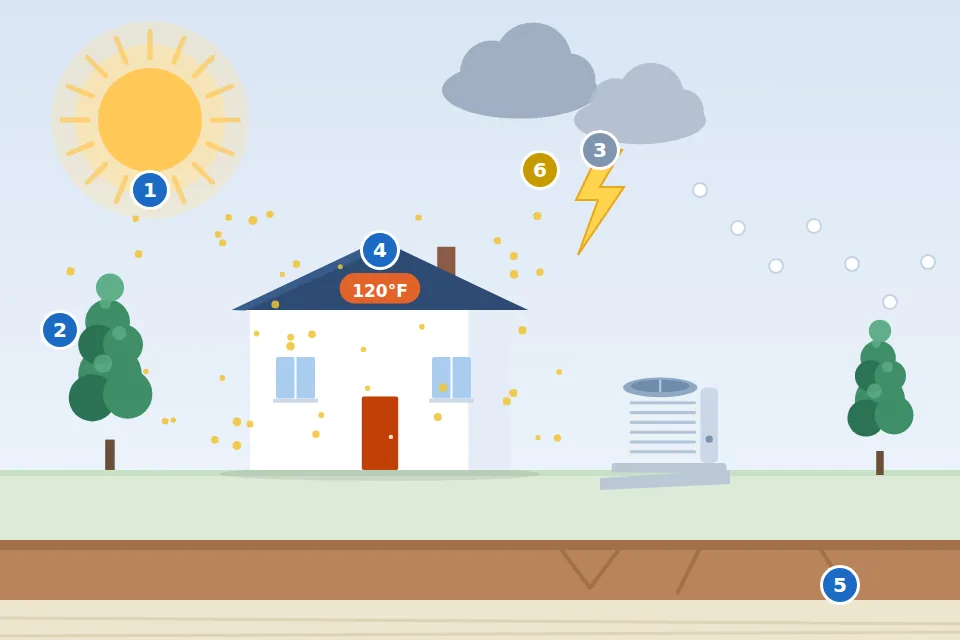
- Heat builds up outdoors
- Storms bring power surges
- Protect the unit with a surge guard
Old Town to the newest subdivisions
Leander ZIP codes covered
- ✓78641. Leander, including Old Town and Crystal Falls.
- ✓78645. Leander.
- ✓78646. Leander.
Our other nearby service areas
Leander AC questions answered
How quickly can you get to Leander?
Call and ask for the next open slot. Summer mornings fill up first, so call as soon as you notice the system struggling. If the heat is dangerous for someone at home, tell us.
Do you cover the newest subdivisions in Leander?
Yes, including streets that were finished recently. Give your address on the call and we confirm it before booking.
My AC is only a few years old. Is it still under warranty?
Often yes. Many manufacturers cover parts for five to ten years when the unit was registered. Find your paperwork before you approve a repair.
Why is the upstairs of my Leander house so much hotter?
Heat rises, and the upstairs sits under the hottest part of the roof. Weak airflow, leaky ducts or an undersized unit make it worse. A technician can test the airflow upstairs and suggest the cheapest fix.
Can a thunderstorm damage my air conditioner?
Yes. A power surge can damage the compressor or control board. After a storm, switch the unit off at the breaker and wait ten minutes before restarting it. A surge protector helps prevent the damage.
Is a builder grade AC worth repairing?
Often yes, if the repair is small and the unit is young. If the repair quote is large and the unit is more than ten years old, ask for a replacement quote too. See how to read a replacement quote.
What should I do when my AC freezes up?
Turn it off and run the fan to thaw the coil, then replace the filter. If ice forms again, there is probably an airflow or refrigerant problem and it needs a technician.
How do I choose a repair company in Leander?
Ask for the price in writing, find out whether a visit fee comes off the repair, compare labour warranties and ask neighbours who they use. A good company answers all of this on the phone.
What if my heater fails in winter?
Check the thermostat and the filter, then call and ask for the earliest visit. The heating guide lists the usual causes.
Can I get a free quote on a replacement in Leander?
Yes. Ask for a free written quote that names the model, the SEER2 rating and the labour warranty, so you can compare it with other quotes.